
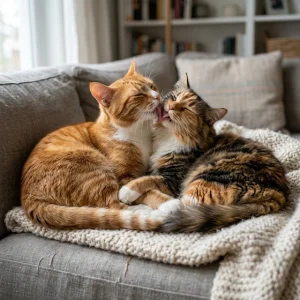
Allogrooming: Why Cats Lick and Clean Each Other
Allogrooming: The Social Architecture of Feline Cleaning 🔑 Key Takeaway: The “Colony Scent” Strategy When cats clean each other (allogrooming), they are doing more than hygiene; they are creating a unified Colony Scent. By mixing their individual pheromones through saliva exchange, they identify ‘friend’ from ‘foe.’ In a domestic household, allogrooming is the ultimate signal […]
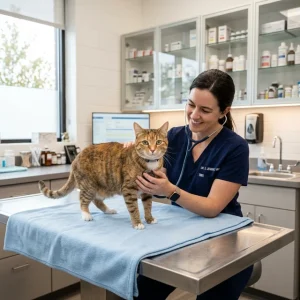
Reducing Stress: How to Prepare Your Cat for a Calm Vet Visit
The Fear-Free Clinic: A Comprehensive Approach to Feline Healthcare Anxiety 🔑 Key Takeaway: The Cumulative Nature of Stress Feline anxiety at the vet is not a single event but a cumulative “stacking” of stressors—from the sudden appearance of the carrier to the vibration of the car and the scent of dogs in the lobby. By […]
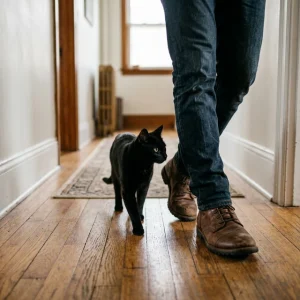
Feline Shadow: Why Your Cat Always Follows You Around the House
The Psychology of the Feline Shadow 🔑 Key Takeaway: Neotenic Attachment Domestic cats often exhibit **neoteny**—the retention of juvenile traits into adulthood. In the wild, kittens follow their mother for survival and learning. By following you, an adult cat is effectively treating you as a surrogate mother and a source of biological security. It is […]
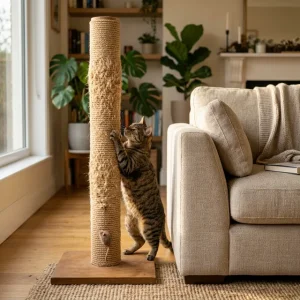
The Solution: How to Stop Your Cat from Scratching Furniture Effectively
More Than a Manicure: The Multi-Functional Nature of Scratching 🔑 Key Takeaway: The “Territorial Signpost” Scratching is a cat’s primary method of territorial communication. It is a visual signal (markings) and a chemical signal (pheromones). When a cat scratches your sofa, they aren’t trying to be “bad”—they are claiming the center of the home as […]
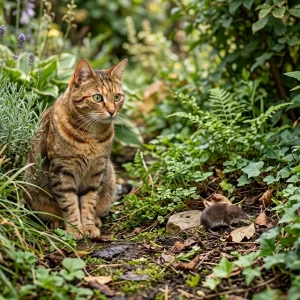
The Taste Test Fail: Why Cats Catch But Won’t Eat Shrews
The Mystery of the Uneaten Prey 🔑 Key Takeaway: The Musk Defense Cats often catch shrews because of their fast, erratic movements which trigger the feline hunting drive. However, shrews possess specialized lateral skin glands that secrete a pungent, foul-tasting musk. To a cat’s highly sensitive palate, a shrew tastes like a mixture of bitter […]
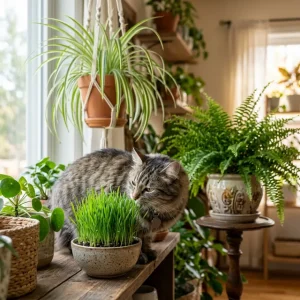
Cat-Proof Your Garden: How to Stop Cats from Eating Houseplants
The Botanical Instinct: Why Your Cat Craves Greens 🔑 Key Takeaway: Folic Acid and Digestive Mechanics Cats are obligate carnivores, but their wild ancestors regularly ingested vegetation. This behavior serves a dual purpose: providing folic acid (a B-vitamin essential for hemoglobin production) and acting as a natural emetic to clear the digestive tract of hair […]
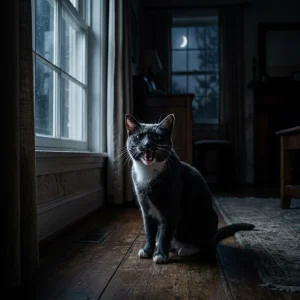
Excessive Nighttime Meowing: Causes and How to Stop It
The Midnight Serenades: Understanding Feline Nocturnality 🔑 Key Takeaway: The Crepuscular Peak Cats are not strictly nocturnal; they are **crepuscular**, meaning their biological peak of activity occurs at dawn and dusk. When your cat meows at 3 AM, they are experiencing a surge of metabolic energy designed for hunting. Managing this behavior requires aligning their […]
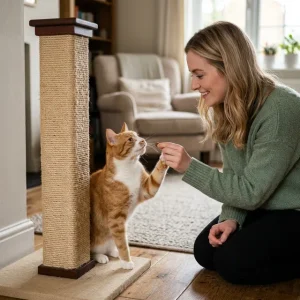
Effective Training: Teaching Your Cat to Love Their Scratching Post
The Art of the Scratch: A Complete Guide to Scratching Post Training 🔑 Key Takeaway: Scratching is a Need, Not a Behavior Problem For a cat, scratching is as fundamental as eating or sleeping. It serves critical physiological and social functions, from maintaining claw health to marking territory. By understanding your cat’s specific preferences for […]
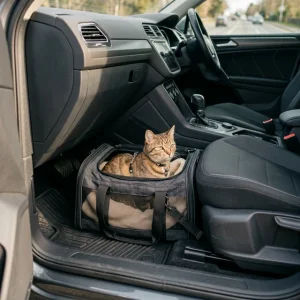
Stress-Free Travel: How to Safely Transport Your Cat in a Car
The Vestibular Conflict: Why Cats Struggle with Car Travel 🔑 Key Takeaway: Senses in Contradiction Feline car anxiety is often caused by a sensory mismatch: the vestibular system in the inner ear detects motion, but the eyes, focused inside a stationary carrier, report no movement. This “sensory conflict” triggers nausea and panic. To travel successfully, […]
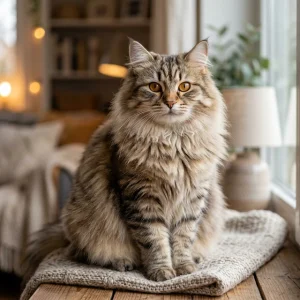
The Truth About Hypoallergenic Cats for Allergy Sufferers
The Molecular Biology of Fel d 1: Why Cats Cause Sneezing 🔑 Key Takeaway: The “Allergen Bucket” Theory Every allergy sufferer has a personal “threshold”—a capacity to handle a certain amount of allergen before symptoms manifest. Cat allergies are cumulative. By choosing a breed that produces less Fel d 1 protein, using a specialized neutralizing […]