
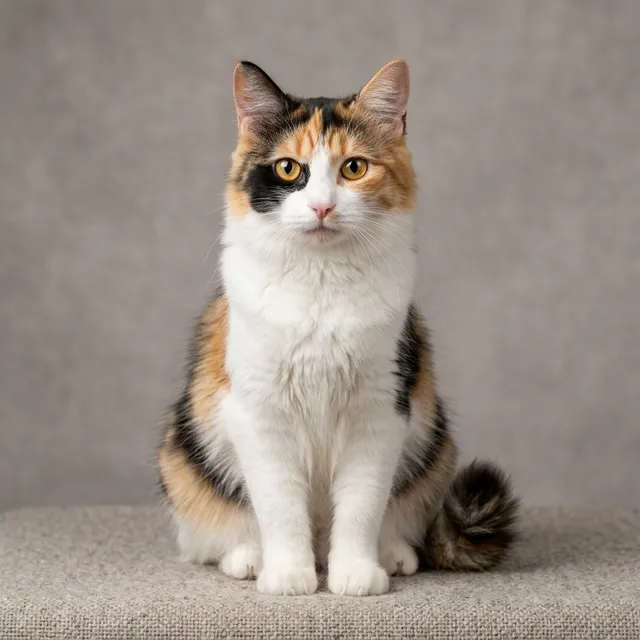
Breed Profile
Known in Japan as the “singing cat,” the Japanese Bobtail is a breed steeped in history and folklore. With their unique pom-pom tails and chirping voices, they are considered symbols of good luck and happiness. If you have ever seen a “Maneki-Neko” (the beckoning cat figurine), you have seen a Japanese Bobtail.
⚡ Quick Look
Japanese Bobtails are highly active and vocal. They are not content to lounge around all day. They want to be involved in everything, from greeting guests to inspecting your grocery bags. Their tail is as unique as a fingerprint—no two are alike.
History: From Street Cat to Imperial Favorite
The Japanese Bobtail is an ancient natural breed, not a modern man-made one. Historical records suggest they arrived in Japan from the continent (likely China or Korea) at least 1,000 years ago. Initially, they were kept by the nobility, but in 1602, Japanese authorities decreed that all cats should be set free to protect the silkworm industry from rodents.
This turned the Bobtail into the “street cat” of Japan, a role it played for centuries. Natural selection favored the cats who were smart, agile, and adaptable. It wasn’t until 1968 that Elizabeth Freret imported the first three Bobtails to the United States, launching the breed’s formal recognition in the West.
Today, they are cherished for their heritage and are still widely seen in Japan, often with the traditional tricolor (Mi-Ke) pattern that is considered especially lucky.
Personality: The Feline Vocalist
If you want a quiet cat, this is not the breed for you. Japanese Bobtails love to talk, but they don’t meow like other cats. They chirp, trill, and “sing” in a soft, musical voice.
🎪 The Performer
They are natural show-offs. They love to carry toys in their mouths, play fetch, and even splash in water. They are known for their high intelligence and ability to learn tricks.
✈️ The Traveler
Surprisingly, many Bobtails adapt well to travel. They are curious rather than fearful, making them good companions for RV living or leash walking.
They are highly social and do best with company—either human or another active cat (or dog). They are rarely intimidated.
Appearance: The Bunny Tail
The tail is the star of the show. It is naturally short due to a genetic mutation (recessive, unlike the Manx dominant gene). The tail is rigid and kinked, but covered in fluffy hair that makes it look like a pom-pom or a bunny tail. It should be visible but not exceed 3 inches.
- Body: Medium-sized, long, and lean. They have the look of an athlete.
- Legs: The hind legs are noticeably longer than the front legs, giving them a distinct stance and incredible jumping ability.
- Head: A perfect equilateral triangle with high cheekbones and long ears set at right angles to the head.
- Coat: Comes in both Shorthair and Longhair varieties. The coat is soft and silky, with very little undercoat, making it easy to groom.
Health & Care
Japanese Bobtails are extremely healthy. Since they developed naturally through survival of the fittest on the streets of Japan, they have a robust constitution and a diverse gene pool.
The Tail Gene: Unlike the Manx breed, the gene for the Bobtail’s short tail is not associated with spinal defects or lethal factors. It is a harmless mutation affecting only the tail length.
Care: They are low-maintenance. The lack of an undercoat means they shed less and rarely mat. A weekly brushing is usually sufficient. However, they do need plenty of mental stimulation—puzzle toys and climbing trees are essential.
Is the Japanese Bobtail Right for You?
If you want a cat that will chat with you, play fetch, and bring a little bit of luck into your home, the Japanese Bobtail is a delightful choice.
Tags
Lucky Cat
Bobtail
Vocal
Active
Kid-Friendly
— Last update —
Where can I find a breeder to purchase a Japanese Bobtail?