
Breed Profile
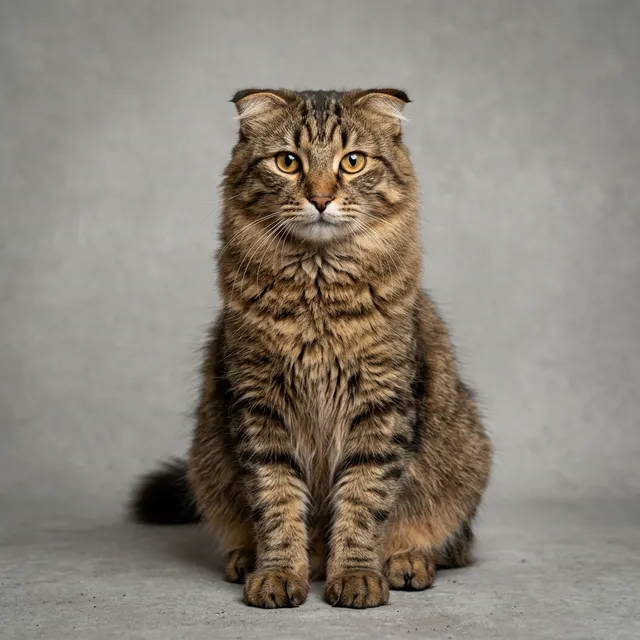
The Highlander is a relatively new breed that captures the imagination with its “big cat” appearance—complete with curled ears and a bobtail—while possessing the gentle, playful soul of a domestic companion. They are the gentle giants of the cat world, bringing a touch of the wild into your living room without the wild behavior.
⚡ Quick Look
Highlanders are high-energy entertainers. They are known for being clownish, loving water, and their dog-like loyalty. If you want a cat that will perform tricks and possibly join you in the shower, this is the breed for you.
History: A Modern Creation
The Highlander (originally known as the Highland Lynx) is a man-made breed developed in the United States. Work on the breed began in 1993, with the goal of creating a cat that looked like a wild bobcat but had a dependable domestic temperament.
Breeders crossed the Desert Lynx with the Jungle Curl to achieve the distinctive curled ears and short tail. Despite their wild name and appearance, Highlanders have no recent wild blood in their lineage; they are fully domestic cats. In 2004, the name “Highlander” was adopted to distinguish them from the wilder-sounding lynx breeds and to gain recognition from major cat registries like TICA (The International Cat Association), where they are currently in the Advanced New Breed class.
Personality: The Class Clown
Highlanders are not for people who want a quiet, ornamental cat. They are athletic, intelligent, and often hilarious. They are known to be fearless and very social, greeting strangers at the door with a head-butt.
💦 Water Lovers
Many Highlanders are fascinated by water. Don’t be surprised if they play in their water bowl or try to join you in the bath.
🏋️ Powerful Athletes
They are strong jumpers and climbers. A tall cat tree is a necessity, not a luxury, for this breed.
They are also very affectionate and form strong bonds with their human families. Their intelligence makes them easy to clicker train, and many enjoy games of fetch.
Appearance: The Domestic Lynx
The Highlander has a powerful, muscular body that resembles a small wildcat.
- Ears: The most striking feature. They are curled backward at the tips (loose curl), giving them an alert, wild look. Some have ear tufts (lynx tips).
- Tail: Naturally short (bobbed). It can range from 1 inch to hock length. Each tail is unique, sometimes kinked or curled.
- Coat: Can be short or long. The pattern is usually tabby (spotted or classic) to mimic the wild look, but they come in solid colors too.
- Polydactyly: It is not uncommon for Highlanders to have extra toes (polydactyl paws), which just adds to their big-pawed, impressive appearance.
Health & Care
Highlanders are a generally healthy and robust breed. Since they were developed from a diverse gene pool of domestic cats, they don’t have many of the breed-specific hereditary diseases found in older, more inbred lines.
Ear Care: Because of the curl, their ears can sometimes accumulate more wax than straight-eared cats. Regular checks and gentle cleaning are recommended.
Activity: They are high-energy cats. They need space to run and climb. Interactive play is crucial to keep them from getting bored and inventing their own (usually destructive) fun.
Is the Highlander Right for You?
If you admire the look of a wildcat but want the personality of a golden retriever, the Highlander is your match. They are fun, loving, and sure to be the center of attention.
Tags
Bobtail
Curled Ears
Active
Large Breed
— Last update —