
Breed Profile
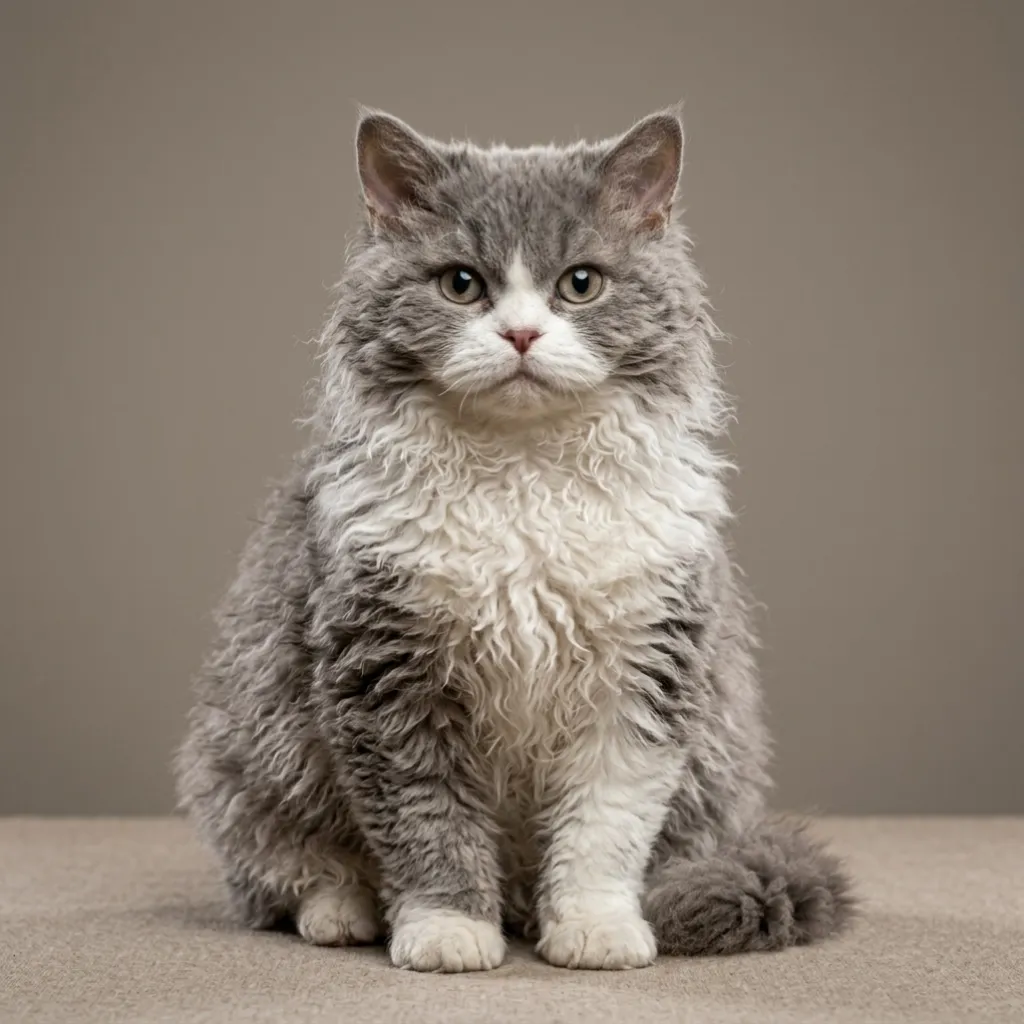
The Selkirk Rex is one of the most distinctive and charming cat breeds in the world, often affectionately referred to as the “Poodle Cat” due to its plush, curly coat. Unlike other Rex breeds like the Cornish or Devon Rex, which have fine, fragile coats, the Selkirk Rex boasts a thick, luxurious fleece that can be either short or long. With their laid-back personality and teddy-bear appearance, they have captured the hearts of cat lovers everywhere.
History and Origin
The history of the Selkirk Rex is relatively recent and well-documented. It all began in Montana, USA, in 1987. A feral cat gave birth to a litter of kittens, one of which had a uniquely curly coat and curly whiskers. This kitten found its way to Jeri Newman, a Persian breeder, who recognized the uniqueness of the trait. She named the kitten “Miss DePesto” (after a character from the TV show *Moonlighting*) and eventually bred her to a black Persian male.
The resulting litter contained both straight-haired and curly-haired kittens, proving that the gene responsible for the curls was dominant—unlike the recessive genes found in the Cornish and Devon Rex. This dominance meant that the breed could be established relatively quickly. Over time, outcrossing with British Shorthairs, Exotic Shorthairs, and Persians was used to develop the breed’s body type and genetic diversity. The breed was officially accepted by The International Cat Association (TICA) in 1992 and by the Cat Fanciers’ Association (CFA) in 2000.
Appearance
The Selkirk Rex is a medium-to-large cat with a heavy, sturdy bone structure, reflecting its British Shorthair ancestry. They are substantial cats, feeling solid and muscular when held. The head is round and broad with full cheeks, large round eyes that give a sweet expression, and medium-sized ears that can also have curly furnishings.
The Coat: The defining feature is, of course, the coat. It comes in two varieties: short and long.
- Shorthair: The coat is dense, plush, and curls in random clusters. It is often described as feeling like a lamb’s wool.
- Longhair: The coat is semi-long and arranges itself in loose ringlets. It looks somewhat like a sheep’s fleece but feels incredibly soft and silky.
Interestingly, Selkirk Rex kittens are often born curly, lose their curls during adolescence, and then develop their mature curly coat around two years of age. The whiskers are also curly or brittle and broken, which is a hallmark of the breed.
Personality and Temperament
If you are looking for a cat that combines the laid-back nature of a British Shorthair with the cuddliness of a Persian and the playfulness of an Exotic Shorthair, the Selkirk Rex is perfect. They are known for their incredibly patient and loving temperament.
These cats are people-oriented but not overly demanding. They love to be near their owners, often following them from room to room or sitting quietly nearby. They are excellent lap cats and enjoy being handled, making them great choices for families with children or other pets. While they have a playful side and enjoy toys, they are not hyperactive. Their calm demeanor makes them adaptable to various living situations, including apartments.
They are generally quiet cats, using soft trills and purrs rather than loud meows to communicate.
Care and Grooming
Despite their complex-looking coat, grooming a Selkirk Rex is surprisingly manageable, though it does require specific techniques to maintain the curls.
Coat Care
Over-brushing can cause the curls to frizzy and lose their definition. Instead of frequent brushing, a wide-toothed comb should be used a couple of times a week to gently remove loose hair and prevent mats, especially in long-haired varieties. It’s often recommended to “scrunch” the coat with your hands after grooming to encourage the curls to spring back into shape.
Bathing
Unlike many other breeds, the Selkirk Rex can benefit from occasional baths to keep the coat clean and the curls defined. However, shampoos should be rinsed thoroughly, as the dense coat can trap residue. After bathing, letting the coat air dry (or gently towel drying without rubbing) is best to preserve the ringlets. Avoid blow-drying, as it will blow out the curls and create a “frizz-ball” look.
Shedding
The Selkirk Rex does shed, and because the coat is so dense, the shed hair can get trapped in the coat, leading to mats if not combed out. They are not hypoallergenic, despite some misconceptions about Rex breeds.
Health and Wellness
The Selkirk Rex is generally a healthy and robust breed, often living 10 to 15 years or more. However, due to the outcrossing with Persians, Exotics, and British Shorthairs, they can be prone to certain hereditary conditions.
- Polycystic Kidney Disease (PKD): A condition inherited from Persians where cysts form in the kidneys. Responsible breeders screen their cats for this gene.
- Hypertrophic Cardiomyopathy (HCM): The most common form of heart disease in cats, which causes thickening of the heart muscle.
- Hip Dysplasia: Common in heavier bone breeds, though usually manageable.
Regular veterinary check-ups and purchasing from a reputable breeder who tests their breeding stock are essential for ensuring a healthy kitten.
Is the Selkirk Rex Right for You?
The Selkirk Rex is a wonderful companion for those who appreciate a unique look and a sweet, steady personality. They are not high-energy athletes, nor are they aloof furniture ornaments. They are devoted friends who bring warmth and amusement to a home.
If you don’t mind a bit of hair around the house and are willing to learn the specific grooming needs of a curly coat, the Selkirk Rex will reward you with years of purrs, head bumps, and woolly cuddles. Their unique appearance is always a conversation starter, but it’s their golden personality that makes them truly special.
Tags
— Last update —