
Breed Profile
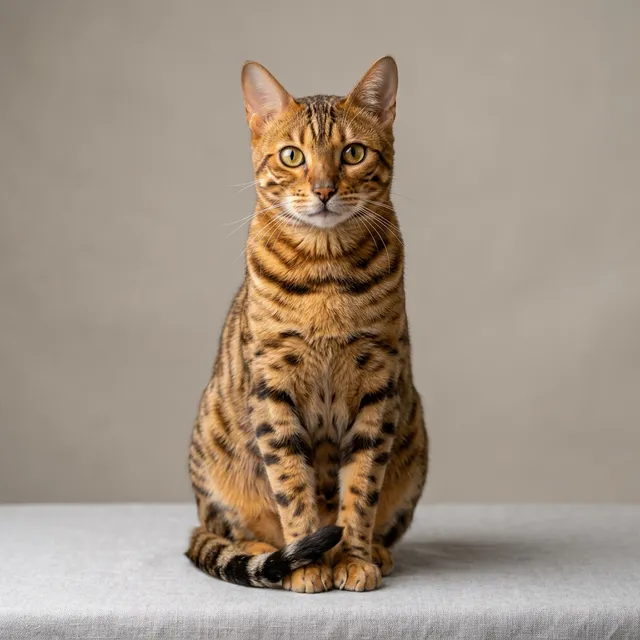
The Bengal cat is a living masterpiece of nature, a stunning blend of wild beauty and domestic affection. With their leopard-like rosettes and agile, muscular bodies, they look like they just stepped out of the jungle, but their personality is pure, devoted companion.
Introduction to the Bengal Cat Breed
The Bengal cat is a relatively new breed that has taken the world by storm. It was developed by crossing domestic cats (such as the Egyptian Mau and Abyssinian) with the Asian Leopard Cat (Prionailurus bengalensis), a small, forest-dwelling wild feline native to Asia. The goal was to create a cat with the exotic appearance of a wild predator but the gentle, dependable temperament of a family pet.
Jean Mill, a geneticist from California, is credited with establishing the breed in the 1960s and 80s. Today, Bengals are fully domesticated, and most Bengals kept as pets are at least four generations removed from their wild ancestors (F4 or later). This ensures they are safe, loving, and well-adjusted for home life, while still retaining their breathtaking wild looks.
A Coat Like No Other
The most distinctive feature of the Bengal is its coat. It is the only domestic cat breed that displays the “rosette” markings found on leopards, jaguars, and ocelots. These rosettes are not just spots; they are two-toned markings with a dark outline and a lighter center, creating a stunning visual depth.
Glitter and Patterns
Bengal fur is incredibly soft and silky, often described as feeling more like a rabbit pelt than typical cat fur. A unique characteristic found in many Bengals is the “glitter” effect—their fur appears to be dusted with gold or pearl shimmering crystals when caught in the light. This glitter gene is a hallmark of the breed and adds to their magical allure.
While the classic brown spotted Bengal is the most well-known, they also come in a variety of colors and patterns:
- Marbled: Swirling patterns of dark and light that look like marble cake.
- Snow Bengals: Creamy white or ivory coats with darker markings (Seal Lynx, Mink, and Sepia points).
- Silver and Charcoal: Striking variations with cool grey or black tones.
Personality: Not Your Average Lap Cat
If you want a cat that will sleep on the sofa for 20 hours a day, the Bengal is not for you. These are high-octane, intelligent, and interactive animals. They are often described as “dog-like” because they can be trained to fetch, walk on a leash, and even follow commands.
Water Lovers
One of the most surprising traits of the Bengal is their love for water. Don’t be surprised if your Bengal joins you in the shower, plays in the sink, or splashes around in their water bowl. This affinity comes from their Asian Leopard Cat ancestry, as these wild cats often hunt and swim in water.
Vocal and Communicative
Bengals are not shy about expressing their opinions. They have a wide range of vocalizations, from standard meows to chirps, trills, and even a unique “coo” sound. They will tell you when they are hungry, when they want to play, or when they feel you aren’t paying enough attention to them.
Activity and Enrichment Needs
Owning a Bengal is a commitment to providing mental and physical stimulation. A bored Bengal can become destructive, opening cabinets, knocking things off shelves, or unrolling toilet paper just to entertain themselves. They need vertical space to climb—cat trees, shelves, and perches are essential. Puzzle feeders and interactive toys are highly recommended to keep their sharp minds busy.
Health and Care
Bengals are generally robust and athletic cats, but like all purebreds, they can be prone to certain genetic conditions. Reputable breeders will screen for:
- Hypertrophic Cardiomyopathy (HCM): A heart condition that breeders should test for annually.
- PRA-b (Bengal Progressive Retinal Atrophy): A degenerative eye disease that causes blindness (genetic tests are available).
- PK Deficiency: A condition affecting red blood cells (also testable).
Their short, dense coat is low-maintenance, requiring only occasional brushing to remove loose hair and distribute skin oils.
Is a Bengal Right for You?
The Bengal is a magnificent companion for active families who want a cat that is part of the action. They are great with children and other pets, provided they are properly socialized. If you are ready for a cat that is beautiful, intelligent, demanding, and incredibly rewarding, the Bengal will bring a touch of the wild into your home and steal your heart forever.
Tags
— Last update —
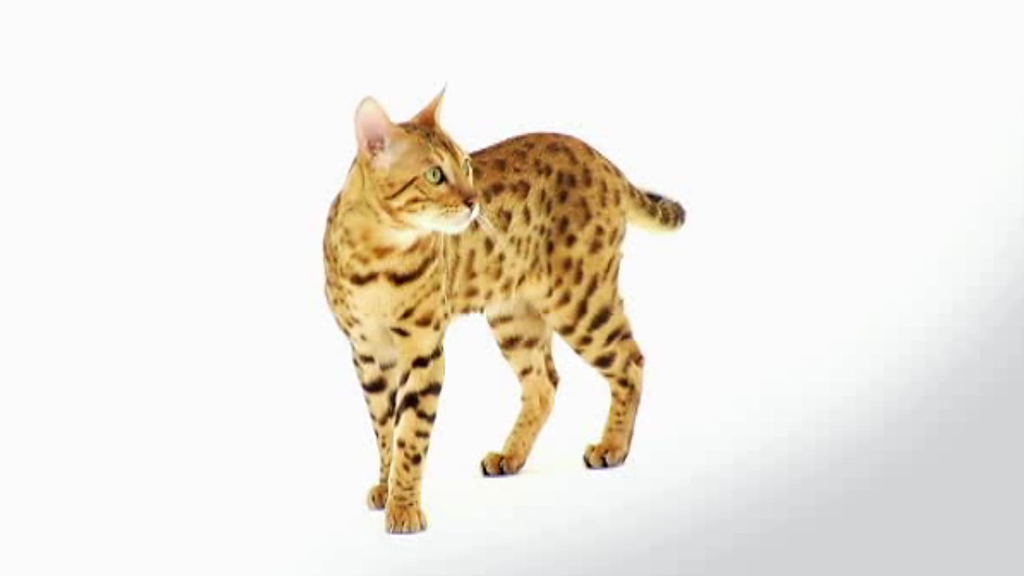
If you want a leopard but cannot get one, then the Bengal Cat is the next best thing. However, it is also a great cat breed by itself. It instantly takes you to the wild with its large spots, its white belly, and its similarities with the ALC or the Asian Leopard Cat. Its wild spots are found on its sides and its back. Its eyes look like it has mascara and its forelegs have stripes. These cats have either brown spots or snow spots. It has spots or marbles as its fur’s pattern. These cats are very gentle and are domesticated.
i was fortunate to be given a kitten that has a defect. it was born with her knee-cap on the side of her leg instead of in front. it certainly didn’t hinder her in anyway. she came to us as a mostly white kitten like a siamese kitten. then she slowly darkened into a beautiful marbled look and became quite dark in color. she is small in build and sweet but can be very aggressive. she is jealous. we have 7 cats and she gets along with all unless they get too close to me. when i got her i was told she was a Bengal. her name is Yin. the tips of her fur are sparkly in the sun. i also got a Siamese sealpont male at the same timeand his name is Yang. is there anything special i should know about the Bengal breed. i love her fiercely
Bengal. her name is Yin.
I must add that Bengals are not only spotty. Marble Bengals are not inferior in their beauty to their spotted brethren.