
Breed Profile
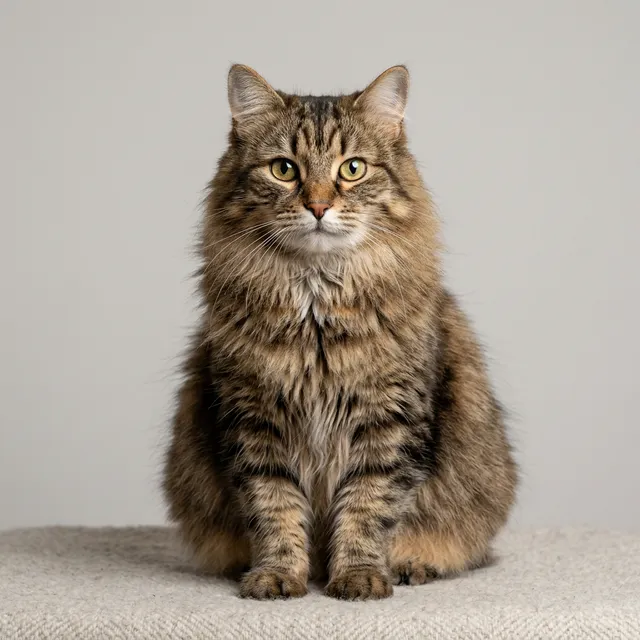
Pronounced “kim-rick,” this breed is essentially the longhaired version of the Manx. Known for its lack of a tail and its rounded, teddy-bear appearance, the Cymric is a loyal, watchdog-like companion with a fascinating history.
⚡ Quick Look
The Cymric is a calm, sturdy cat. They are known for their strong hind legs (allowing for high jumps) and their dog-like loyalty. They will often growl at strange noises and protect their home.
History & Origin: The Welsh Connection
The Cymric’s history is tied to the Isle of Man, where the tailless Manx mutation occurred naturally centuries ago. Longhaired kittens would occasionally appear in Manx litters, but for a long time, they were considered undesirable.
In the 1960s, Canadian breeders Blair Wright and Leslie Falteisek decided to develop these longhaired cats into their own breed. They named it “Cymric” after “Cymru,” the Welsh name for Wales (which is near the Isle of Man), though the cats themselves didn’t originate in Wales. Today, some associations consider them a breed, while others see them as a Manx variety.
Personality: The Watch-Cat
Cymrics are placid and sweet-tempered, but they have a protective streak.
🐶 Dog-Like
They bury toys, learn to fetch, and come when called. They are very people-oriented and get along well with other pets.
🚗 Great Travelers
Cymrics are known for being excellent car companions. They bond closely with their owners and are happy as long as they are with you.
They are also known for their fascination with water. Don’t be surprised if your Cymric joins you in the shower or plays in the sink.
Appearance: Round and Tailless
Everything about the Cymric is round: round head, round eyes, round body, and round rump.
- Tail Types: Not all Cymrics are completely tailless.
- Rumpy: No tail at all, just a dimple. (Show quality).
- Rumpy Riser: A small knob of cartilage.
- Stumpy: A short tail stump.
- Longy: A near-full length tail (used for breeding, not showing).
- Coat: Medium-long, dense, and double. It adds to their round look.
- Legs: The hind legs are longer than the front legs, giving them a “rabbit hop” gait and a higher rump.
Health & Care
The tailless gene can come with complications known as Manx Syndrome. This involves spinal defects that can affect digestion and nerve function. Reputable breeders watch closely for this.
Care Requirements:
- Grooming: Their double coat requires daily brushing to prevent mats, especially during shedding seasons. Pay attention to the “breeches” on the hind legs.
- Handling: Always support the hindquarters when picking them up to avoid putting pressure on the spine.
Is the Cymric Right for You?
If you are looking for a gentle, rounded ball of fluff that will act like a loyal watchdog and travel buddy, the Cymric is a fantastic choice.
Tags
— Last update —
This tail free cat caught my attention. This tailless cat was a result of genetic mutation. This cat has a fine hunting skill and an alert nature. It is a playful cat who likes to follow its favorite person in the house and assist them whatever they do. This smart cat can learn new tricks and it likes to ride in the car. Make it your companion in long-distance trips. The Cymric cat is very easy to groom just by brushing or combing a couple of times a week to remove the dead hair and to distribute skin oil. Keep their litter box clean. Cymric cats are very particular with their hygiene.