Breed Profile
The Persian cat is the undisputed glamour puss of the feline kingdom. With their luxurious flowing coats, sweet pansy-like faces, and calm demeanor, they have graced the laps of royalty and commoners alike for centuries. Known for being one of the most popular cat breeds in the world, the Persian is the epitome of indoor sophistication. If you are seeking a quiet, affectionate companion who is more likely to be found draping elegantly over a sofa than scaling your curtains, the Persian is the breed for you.
Ancient Origins: From Persia to the World
As their name suggests, these cats originated in Persia (modern-day Iran) and neighboring regions. They were highly valued by caravans moving through the deserts, likely because their long fur offered protection against cold desert nights. The breed made its debut in Europe in the 1600s, brought back by Italian traveler Pietro della Valle. Their exotic beauty quickly captivated the European aristocracy.
By the late 19th century, Persians were being exhibited in the very first cat shows in England, where they were champion favorites of Queen Victoria. This royal seal of approval cemented their status as a fashionable pet. Over the decades, selective breeding has refined their appearance, leading to the flatter faces and more profuse coats we see today. They arrived in the United States in the late 1800s and have remained a top favorite among American cat fanciers ever since.
A Distinctive Look: The Flat Face and Flowing Coat
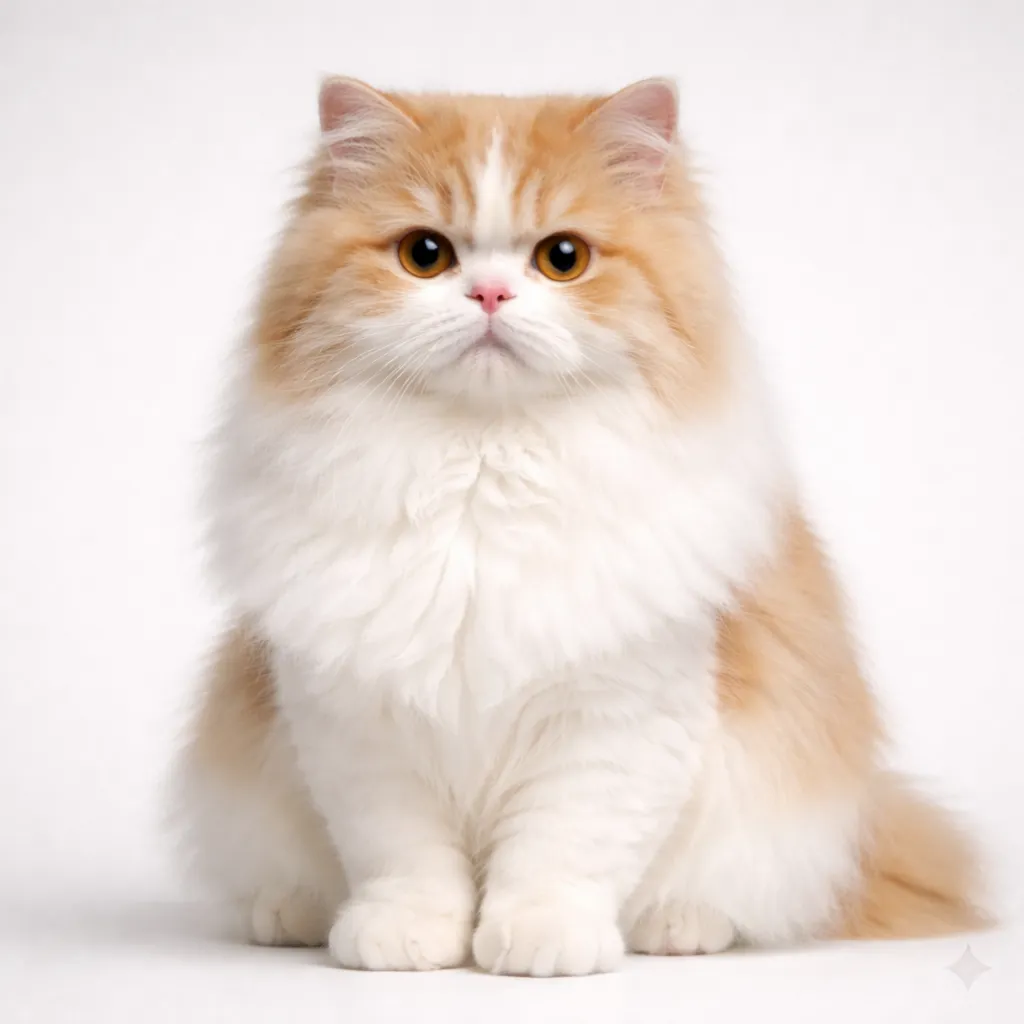
The Persian is a medium-to-large cat with a heavy, cobby body. They are surprisingly muscular and sturdy beneath all that fluff, with thick, short legs and a broad chest. But their defining feature is, of course, the head. A show-quality Persian has a massive, round head with small, rounded ears set far apart. Their large, round, copper-colored eyes give them a sweet and open expression.
There are two main facial types in Persians. The “Peke-face” or Ultra-Type has an extremely flat profile where the nose is positioned between the eyes. The “Doll-face” or Traditional Persian has a more moderate nose length, resembling the earlier versions of the breed. While the Peke-face is the standard for show rings, many pet owners prefer the Doll-face for fewer respiratory issues.
The coat is their crowning glory: long, thick, and glossy, with a deep ruff around the neck that resembles a lion’s mane. It comes in a vast array of colors and patterns, including solid, silver and golden, shaded and smoke, tabby, particolor, bicolor, and Himalayan (pointed pattern).
Personality: The Gentle Aristocrat
Persians are cats of habit and tranquility. They are famously quiet and sweet-tempered. A Persian will rarely hiss or scratch; they prefer to communicate with their large, expressive eyes and a soft, melodious chirp. They are not jumpers or climbers. You won’t find a Persian perched on top of the refrigerator; they are much happier on a plush rug, a sunny windowsill, or your lap.
They are affectionate but undemanding. They will sit near you and wait for you to notice them, rather than demanding attention loudly. They are generally good with gentle children and other non-aggressive pets. However, they can be overwhelmed by loud noises or rough handling, so they do best in peaceful households.
Grooming: A Daily Commitment
Owning a Persian is a commitment to grooming. Their long, fine fur easily tangles and mats if not brushed every single day. This is non-negotiable. Mats can be painful and lead to skin infections. You will need a metal comb (specifically a Greyhound comb) and a slicker brush. Many owners also take their Persians to professional groomers for a “lion cut” in the summer to keep them cool and manageable.
In addition to brushing, their eyes require daily cleaning. Because of their flat faces, Persians often have tear duct drainage issues, leading to staining under the eyes. Simply wiping the corners of their eyes with a damp cloth or specialized eye wipe once a day keeps them looking fresh and prevents infection.
Bathing is also part of the routine. Unlike most cats, Persians need regular baths to keep their coat clean and grease-free. It is best to start this when they are kittens so they get used to the process.
Health Considerations
The Persian’s unique anatomy brings specific health challenges. Potential owners should be aware of:
- Polycystic Kidney Disease (PKD): A genetic condition that causes cysts to form in the kidneys. Reputable breeders screen for this via DNA testing.
- Brachycephalic Airway Syndrome: Due to their flat faces, they may have constricted nostrils or elongated soft palates, leading to noisy breathing or difficulty breathing in hot weather.
- Eye Conditions: Cherry eye, entropion, and excessive tearing are common.
- Dental Issues: Their shortened jaws can lead to overcrowding of teeth, requiring regular dental care.
Is the Persian Cat Right for You?
The Persian is not a low-maintenance pet. They require significant time for grooming and care. However, for those who are willing to put in the effort, the rewards are immense. They are loyal, gentle souls who bring a sense of peace and beauty to a home. If you want a decorative, loving, and calm companion to share your quiet moments with, the Persian is the perfect choice.
Frequently Asked Questions
Can Persian cats go outside?
It is strongly recommended to keep Persians as indoor-only cats. Their long coats pick up dirt, burrs, and parasites easily. Furthermore, their docile nature makes them vulnerable to predators and traffic.
Why do Persians have tear stains?
Due to their flat facial structure, their tear ducts can become blocked or overflow, causing tears to spill onto the face. This reacts with bacteria on the fur to cause reddish-brown staining. Daily cleaning helps prevent this.
Are Persians good with kids?
Yes, as long as the children are gentle. Persians will not tolerate rough play or teasing and will likely hide. They prefer a calm environment but are very tolerant of respectful attention.
How long do Persian cats live?
With proper care, indoor Persians can live 12 to 17 years, and sometimes even longer. Regular vet check-ups are essential to manage potential breed-specific health issues.
Tags
— Last update —