
Breed Profile
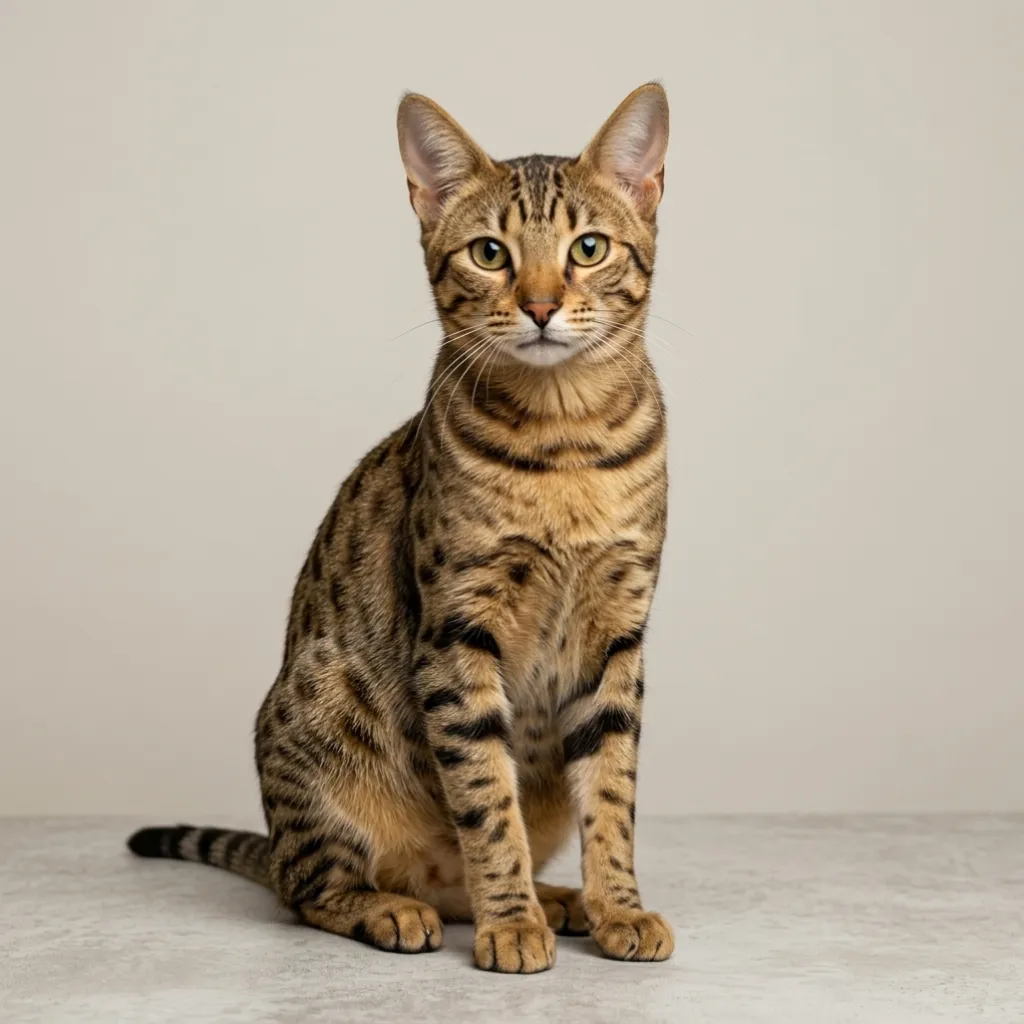
The Serengeti cat is a stunning breed designed to resemble the wild Serval found on the African plains, but with a twist: it is a completely domestic cat with no wild blood infusion. Created by crossing the Bengal and the Oriental Shorthair, the Serengeti boasts a sleek, spotted coat, remarkably long legs, and large, expressive ears. For cat lovers who desire the exotic look of a wild cat but the predictable, affectionate temperament of a domestic pet, the Serengeti is a perfect choice.
History and Origin
The Serengeti breed was founded in 1994 by Karen Sausman, a conservation biologist and experienced cat breeder from California. Her goal was specific and ambitious: to create a breed that looked like the African Serval but without using any wild cats in the breeding program. She achieved this by crossing the Bengal (which does have wild ancestry but is considered a domestic breed in later generations) with the Oriental Shorthair.
This careful selection allowed the breed to inherit the spotted pattern and robust structure of the Bengal, combined with the elegance, long legs, and large ears of the Oriental. The result is a cat that captures the essence of the wild without the legal restrictions or behavioral challenges often associated with hybrid breeds like early-generation Savannahs. The Serengeti is recognized by The International Cat Association (TICA) as an Advanced New Breed.
Appearance
The Serengeti is an athlete among cats. They are medium-sized but long and tall, with a stature that is upright and alert.
- Body: The body is tubular and muscular but not heavy. The most striking feature is their long legs, which give them a regal, upright posture.
- Head and Ears: They have a long neck that blends into the base of the skull without tapering. The ears are very large, round-tipped, and placed upright on the top of the head—a direct nod to their Oriental heritage and Serval inspiration.
- Coat and Pattern: The coat is short, fine, and silky. The only accepted pattern is spotted. The spots are widely spaced and distinct. Colors include tabby (brown spotted), solid black (where ghost spots can sometimes be seen in sunlight), and silver/smoke varieties.
Their eyes are round and large, usually gold or yellow, giving them an intense, predatory gaze that belies their sweet nature.
Personality and Temperament
Don’t let the wild look fool you; the Serengeti is a friendly, people-oriented cat. They are often described as “Velcro cats” because they want to be involved in everything their owners do. Whether you are cooking, working on the computer, or watching TV, your Serengeti will likely be right there with you.
They are extremely active and agile. Thanks to their powerful hind legs, they are incredible jumpers and can easily scale high shelves, doors, and cat trees. They love to play and require plenty of mental and physical stimulation. A bored Serengeti can become destructive, so they are best suited for active households.
Vocalization is another trait they inherited from the Oriental Shorthair. They are talkative cats who will happily hold a conversation with you, chirping, meowing, and purring loudly to make their opinions known.
Care and Grooming
The Serengeti is a low-maintenance breed when it comes to grooming, but high-maintenance when it comes to attention.
Coat Care
Their short, tight coat sheds very little and does not mat. A weekly brushing with a rubber grooming mitt or a soft bristle brush is all that is needed to remove dead hair and distribute skin oils. Most Serengetis enjoy this grooming time as a bonding session.
Exercise and Enrichment
This is the most critical part of Serengeti care. They need vertical space. Tall cat trees, wall shelves, and window perches are essential. They also enjoy interactive toys, puzzle feeders, and even games of fetch. Many owners find that training their Serengeti to walk on a leash is a great way to burn off energy safely.
Health and Wellness
The Serengeti is generally a robust and healthy breed, benefiting from the hybrid vigor of mixing two distinct gene pools. However, potential owners should be aware of health issues common to the parent breeds.
- Bladder Stones: Orientals can be prone to bladder stones, so ensuring proper hydration and a high-quality diet is important.
- Heart Conditions: While not rampant, regular vet checks should include heart monitoring as a precaution.
With good care, a nutritious diet, and a safe indoor environment, a Serengeti can live a long, healthy life of 12 to 15 years or more.
Is the Serengeti Cat Right for You?
The Serengeti is not a “couch potato” cat. They are best suited for families or individuals who want an active, engaging companion and have the time to dedicate to play and interaction. They get along well with other pets, including dogs, and can be great playmates for older children.
If you are looking for the exotic beauty of the African plains combined with the loving, chatty soul of a lap cat, the Serengeti might just be your dream breed.
Tags
— Last update —
Out of curiosity – is the Serengeti cat fertile? I don’t plan on ever owning one but I know some breeds of cats, the males aren’t fertile
We have a cat like thus and he so so pretty. He loves to play! We found him in a walmart parking lot. We didn’t know what kind of cat he was until we went to the vets. They LOVE to jump on things. His name is Mr.Pickels! So funny right?