
Breed Profile
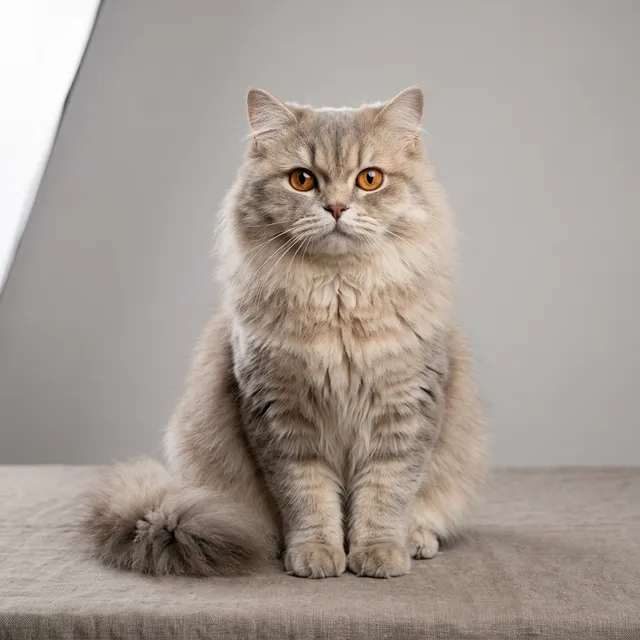
The British Longhair is a captivating blend of dignity, charm, and fluffy elegance. Often referred to as the “Britannica” in some European countries or affectionately as the “Lowlander” in others, this breed is essentially the long-coated version of the popular British Shorthair. With their plush, semi-long fur, round faces, and calm demeanor, they resemble living teddy bears, capturing the hearts of cat lovers worldwide. While they share many traits with their shorthaired cousins, their luxurious coat gives them a unique appeal that sets them apart in the feline world.
History and Origins
The history of the British Longhair is deeply intertwined with that of the British Shorthair and the Persian. During the tumultuous years of World War I and World War II, the British Shorthair population dwindled dangerously low. To save the breed and reintroduce genetic diversity, breeders began crossing their remaining British Shorthairs with other breeds, most notably the Persian.
This crossbreeding program was successful in saving the British Shorthair and enhancing its cobbiness and round head shape. However, it also introduced the recessive longhair gene into the bloodline. For decades, longhaired kittens born in British Shorthair litters were considered “undesirable” by breed standards and were often petted out without papers. It wasn’t until the mid-20th century that breeders and cat associations began to recognize the beauty and distinctiveness of these longhaired variants. Today, while still gaining full recognition in some major cat registries (like the CFA, where they are often shown as British Shorthairs with long hair faults or under specific new breed statuses depending on the association), they are fully recognized by TICA and the WCF as a separate breed.
Physical Characteristics
The British Longhair is a medium-to-large cat, known for its muscular, cobby build. They are powerful cats with broad chests, strong shoulders, and sturdy legs, giving them a bulldog-like stance. Their physical presence is impressive, often weighing between 9 to 18 pounds, with males being significantly larger than females.
The Head: The head is massive and round, sitting on a short, thick neck. They possess full, chubby cheeks that give them a perpetual “smiling” expression, which is one of their most endearing traits. The ears are small to medium in size, rounded at the tips, and set wide apart, fitting perfectly into the rounded contours of the head. Their large, round, and expressive eyes come in colors that correspond to their coat, ranging from deep copper and gold to blue and green.
The Coat: The defining feature of the breed is, of course, the coat. Unlike the Persian’s woolly undercoat that mats easily, the British Longhair typically has a semi-long, plush double coat that stands away from the body. It is dense and firm to the touch, not soft and silky like a Somali’s. The texture can vary depending on the color, but it generally requires less grooming than a Persian, though more than a Shorthair. They come in the full spectrum of colors and patterns seen in British Shorthairs, including the classic British Blue, Lilac, Chocolate, Black, White, Cream, and various Tabby, Colorpoint, and Bicolor patterns.
Personality and Temperament
If you are looking for a hyperactive cat that will swing from your curtains, the British Longhair is not for you. These cats are renowned for their easygoing, placid, and tolerant nature. They are the epitome of the “gentle giant.”
Independent yet Affectionate: They are affectionate and love to be near their humans, often following them from room to room. However, they are not typically lap cats. They prefer to sit next to you on the sofa rather than on you. They value their dignity and independence, making them excellent companions for people who work during the day, as they are not prone to separation anxiety and can entertain themselves.
Quiet Companions: They are generally quiet cats. When they do vocalize, it is usually in a soft, tiny voice that seems incongruous with their sturdy bodies. They are observant and intelligent, preferring to watch the household activities from a comfortable perch.
Kitten-like Playfulness: Despite their calm adult demeanor, they retain a kitten-like playfulness well into maturity. They enjoy interactive toys, feather wands, and puzzle feeders, but their play sessions are often short bursts of energy followed by long naps.
Care and Maintenance
Owning a British Longhair requires a commitment to grooming, though not as intensive as for a Persian.
- Grooming: Their dense coat is prone to matting, especially behind the ears, under the armpits, and in the “britches” area. A thorough brushing 2-3 times a week is usually sufficient to remove loose hair and prevent tangles. During the shedding seasons (spring and autumn), daily brushing may be necessary.
- Diet and Exercise: Being a less active breed, British Longhairs are prone to obesity. It is crucial to monitor their food intake and encourage play to keep them fit. Interactive toys and climbing trees can help stimulate them physically. A high-quality diet rich in protein is essential for maintaining their muscle mass and coat health.
- Environment: They are well-suited for apartment living due to their low energy levels. However, they should be kept strictly as indoor cats to protect them from traffic, diseases, and theft (they are very attractive cats!).
Health and Longevity
British Longhairs are generally a healthy and robust breed, with a lifespan of 15 to 17 years, sometimes longer. However, due to their ancestry, they can be prone to certain genetic conditions found in both British Shorthairs and Persians.
Common Health Issues:
- Hypertrophic Cardiomyopathy (HCM): A heart condition where the walls of the heart thicken. Reputable breeders scan their breeding cats for HCM.
- Polycystic Kidney Disease (PKD): A legacy from their Persian ancestors, PKD causes cysts to form in the kidneys. Thankfully, a DNA test exists, and responsible breeders have largely eliminated this from the gene pool. Always ask a breeder for proof of PKD-negative status.
- Obesity: As mentioned, their sedentary nature makes them susceptible to weight gain, which can stress their joints and heart.
Is the British Longhair Right for You?
The British Longhair is an ideal pet for singles, families with children, and seniors alike. Their patience makes them tolerant of children (provided the children are taught to treat them with respect), and they usually get along well with other cat-friendly dogs and pets. They bring a sense of calm and luxury to a home.
If you appreciate a cat that is beautiful to look at, soothing to be around, and doesn’t demand constant attention, the British Longhair might just be your perfect match. They are loyal, undemanding companions who will fill your home with quiet purrs and a majestic presence.
Tags
— Last update —
The British Longhair Cat is a domesticated cat which originated from Great Britain. This stout cat has a luxurious coat. Its round eyes are always bright. Its legs may not be as long as other cats’ but are exceptionally strong. It has a thick tail that goes well with its coat. These cats are not as active like most cat breeds but are relatively easy-going. They are actually quite calm. When neutered, you should be vigilant against obesity. This also goes for British Longhair Cats that are kept indoors. Its fur requires attention and a lot of brushing especially in winter and autumn.