Breed Profile
The British Shorthair is one of the oldest and most beloved cat breeds in the world, instantly recognizable by its round face, chubby cheeks, and dense, plush coat. Often described as the “teddy bear” of the cat world, this breed combines a powerful, cobby physique with a gentle, easygoing temperament. Perhaps most famously, the British Shorthair is thought to be the inspiration for the grinning Cheshire Cat in “Alice in Wonderland”—and once you see their natural “smile,” it’s easy to see why.
A Storied History
The roots of the British Shorthair run deep, tracing back to the domestic cats of Rome. When the Romans invaded Britain, they brought cats with them to control rodent populations in their camps. Over centuries, these cats interbred with local wildcats and adapted to the British climate, developing a thick, water-resistant coat and a sturdy, muscular build to survive the cold, damp winters.
By the late 19th century, Harrison Weir, the father of the cat fancy, began selectively breeding the most beautiful of these street cats, naming them “British Shorthairs.” They were the stars of the first-ever cat show at the Crystal Palace in London in 1871. However, the breed nearly vanished during World War II due to food shortages. To revive the breed, post-war breeders crossed the remaining British Shorthairs with Persians, Russian Blues, and other breeds. This not only saved the breed but also introduced the massive head and thick coat we see today, as well as the longhair gene.
Distinctive Appearance
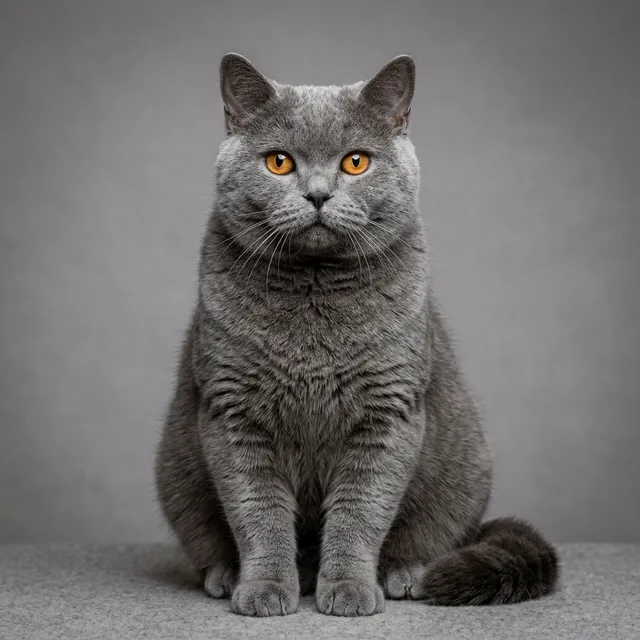
The British Shorthair is a medium-to-large cat, often described as “cobby” or “chunky.” Everything about them is round: a round head, round eyes, round paws, and even a rounded tail tip.
The Coat: Their coat is a defining feature. It is short, very dense, and has a crisp feel to it—not soft like a fluffy bunny, but firm and plush like a high-quality carpet. It doesn’t lie flat against the body but stands out slightly, emphasizing the cat’s impressive size.
The “British Blue”: While they come in almost every color and pattern imaginable—including black, white, cream, silver tabby, and bi-color—the “British Blue” remains the most iconic. These cats have a solid blue-gray coat paired with striking copper or orange eyes, creating a stunning contrast.
Size: These are powerful cats. Males can weigh anywhere from 12 to 18 pounds (sometimes more), while females are generally smaller, ranging from 8 to 12 pounds. They are slow to mature, often not reaching their full physical size until they are 3 to 5 years old.
The “Gentle Giant” Personality
British Shorthairs are famous for their calm, undemanding nature. They are not hyperactive cats that will tear around your house at 3 AM. Instead, they are dignified, quiet, and observant.
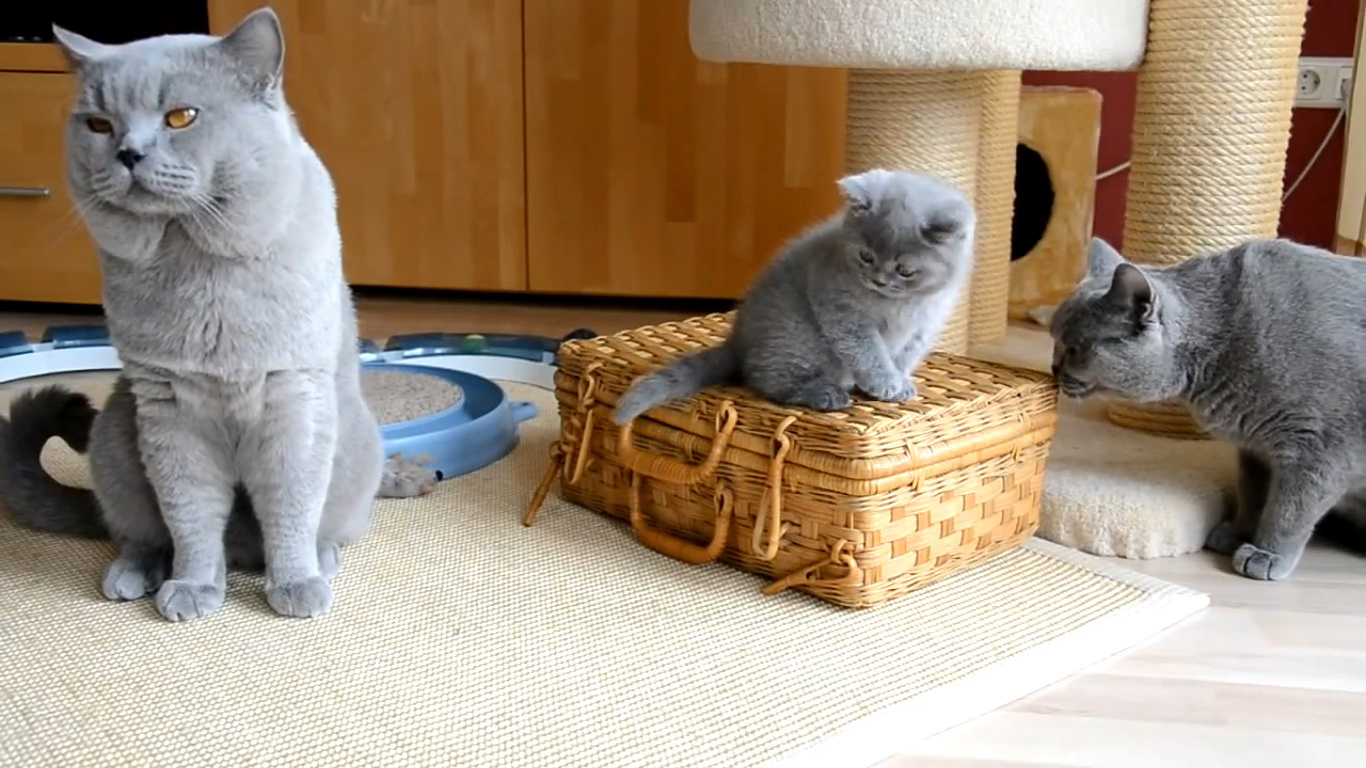
Affectionate but Not Clingy: They love their humans and will often follow you from room to room to “supervise” your activities. However, they are not typical lap cats. They prefer to sit beside you on the sofa or curl up at your feet rather than being held or carried. In fact, many British Shorthairs dislike being picked up and will squirm to get down, preferring to keep their four paws firmly on the ground.
Quiet and Intelligent: They are not vocal cats. You won’t hear much meowing from a British Shorthair; instead, they might make a quiet squeak or a deep, rumbly purr to show their contentment. They are intelligent and can learn to play fetch or solve puzzle toys, but they are just as happy to nap in a sunbeam.
Caring for Your British Shorthair
One of the reasons for the breed’s enduring popularity is its low-maintenance care routine.
- Grooming: Their short, dense coat is easy to care for. A weekly brushing is usually enough to remove dead hair and skin cells. During shedding seasons (spring and fall), you might need to brush them more frequently to prevent hairballs.
- Weight Management: Because they are not overly active, British Shorthairs can easily become overweight. It is crucial to monitor their diet and ensure they get some exercise. Interactive play with feather wands or laser pointers can help keep them moving. A chubby British Shorthair might look cute, but obesity can lead to serious health issues like diabetes and joint problems.
- Indoor Living: They are well-suited for indoor living and apartment life. They don’t need acres of space to roam, just a comfortable environment with some vertical territory (like a cat tree) to survey their domain.
Health Considerations
Generally, British Shorthairs are a robust and healthy breed with a long lifespan, often living 14 to 20 years. However, responsible breeding is essential to avoid genetic issues.
They can be prone to Hypertrophic Cardiomyopathy (HCM), a common heart condition in cats, and Polycystic Kidney Disease (PKD), inherited from their Persian ancestors. Reputable breeders will test for these conditions. Another potential issue is hemophilia B, a bleeding disorder, though DNA testing allows breeders to identify carriers.
Also, be aware of their blood type. A significant percentage of British Shorthairs have Type B blood, which is rare in other breeds. This is vital to know for breeding (to avoid neonatal isoerythrolysis) or if the cat ever needs a blood transfusion.
Is This the Right Breed for You?
The British Shorthair is an excellent choice for first-time cat owners, families with children, and households with other pets. Their patience and tolerance mean they usually get along well with dogs and don’t mind the chaos of a busy household, provided they have a quiet spot to retreat to.
If you want a loyal, beautiful, and low-drama companion who will greet you at the door with a silent meow and a head-butt, the British Shorthair is the perfect addition to your family. They are the solid, dependable rocks of the cat world—always there, always loving, and always dignified.
Tags
— Last update —
The British Shorthair Cat is a cute domesticated cat with a plush, short, and dense coat. This coat may crack or crisp on the cat’s body contours. I love their large eyes especially when it is in British Blue color. However, there are also some British Shorthair Cats with gold or copper colored eyes. They have cute chubby cheeks even when their bodies are muscular. Males can weigh up to ten pounds while females can weigh up to seven pounds. It has thick legs and broad head. They also have cute snub noses. They are great around other people even with children.
I love it. How do I purchase one?